The Real Cost of Retail’s Data-Action Gap

Kshitij Kumar
Chief Data and AI Officer
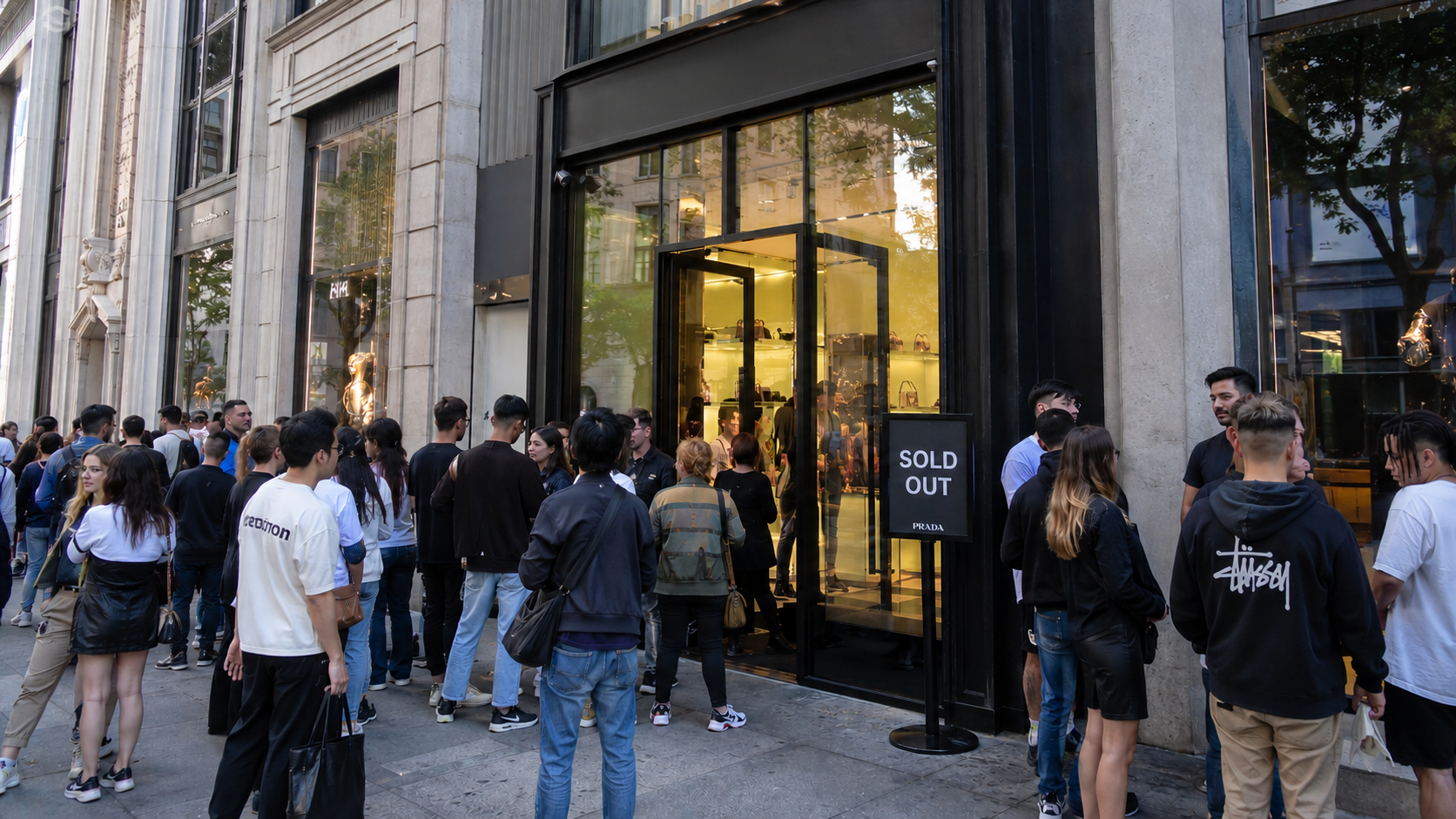
At 8:15 AM on a Tuesday morning, the planning floor at White Label, a fast-growing women’s fashion brand in New York was already in escalation mode.
The brand operated 120+ stores across the United States, a thriving e-commerce business, and a fast-moving accessories line that relied heavily on seasonal demand shifts. Overnight, one of their bestselling spring jackets had gone viral on social media after appearing in a celebrity styling video.
By the time the executive team noticed the spike, the problem had already spread across the business. The e-commerce team was reporting stockouts in key sizes. Stores in Miami and Los Angeles were nearly sold out. Midwest locations still had excess inventory sitting untouched. Marketplace demand was surging faster than replenishment plans could adjust. And somewhere inside the company’s systems, all the data required to respond already existed.
The POS platform knew where the product was selling the fastest. The ERP knew what inventory was available. The OMS could see pending fulfillment demand. The planning system had forecast assumptions. The merchandising team had early signals from customer engagement data. The warehouse system knew what could realistically move within 48 hours. But none of those systems were working together operationally.
So, the organization did what most retail organizations still do in moments like this.
The Knights in the Shining armor, employees, stepped in.
Planners exported spreadsheets. Merchandisers built temporary allocation sheets. Regional managers began emailing stores directly. The logistics manager checked inventory transfers manually. Marketing executive delayed markdowns in underperforming regions. Executives jumped onto emergency calls trying to determine whether the issue was inventory, forecasting, logistics, or simply timing.
By Thursday afternoon, the company had partially stabilized the situation.
But not before losing online conversions, overstocking slow-performing regions, accelerating transfer costs, and creating internal chaos across planning, merchandising, and operations teams. This is not a technology failure in the traditional sense. The company had already invested heavily in data infrastructure, analytics platforms, reporting tools, and dashboards.
The real problem was something else entirely:
The business could see what was happening; it simply could not operationalize decisions fast enough to respond.
This is the data-action gap.
Learn more about the Data-Action Gap and How to Solve it
Fill in your details below and our experts will connect with you shortly.

And it has quietly become one of the largest hidden cost centers in modern fashion retail. Most retailers today are drowning in information while starving for operational responsiveness. Dashboards tell teams what happened yesterday. But very few systems can continuously recommend what action should happen next, at the exact level where retail decisions are actually made.
Not broad insights, specific operational actions, like:
- Move inventory from Store 18 to Store 42.
- Delay markdowns in the Southwest cluster.
- Suppress replenishment for low-performing sizes.
This is where the next generation of retail operations is heading. Not toward more reporting, but toward systems that bridge the gap between insight and execution.
For fashion retailers, the stakes are even higher:
- Trend cycles move faster.
- Returns rates remain volatile.
- Size curves vary by geography.
- Marketplace visibility is fragmented.
- Product relevance decays faster than most enterprise systems can react.
The brands that solve this problem first will not simply become more efficient, but they will operate differently.
At Data-Hat AI, we are building systems designed to close the data-action gap in fashion retail operations, helping brands move from passive reporting to continuous operational intelligence.
If this problem sounds familiar, we should talk. Contact us to learn how leading fashion retailers are rethinking allocation, replenishment, and operational decision-making for the next decade of commerce.
Frequently Asked Questions
How can the real cost of retail’s data-action gap help retail teams?
It provides practical guidance for improving planning, forecasting, and execution decisions so teams can reduce stock risk and improve customer outcomes.
Why is AI important for modern retail operations?
AI helps retailers process large, fast-changing datasets and generate better decisions for forecasting, inventory, pricing, and assortment in real time.
How do I get started with Data-Hat AI for this use case?
Start by identifying a high-impact category or process, connect core data sources, and run a focused pilot to measure uplift in forecast accuracy, availability, and margin.