Demand Forecasting in Fashion Is Broken. The Future Is Demand Sensing.

Kshitij Kumar
Chief Data and AI Officer
Demand Forecasting in Fashion Is Broken. The Future Is Demand Sensing.
Fashion retailers have more data than ever before. POS systems track every transaction, and e-commerce platforms capture browsing behavior. Planning teams have dashboards for sell-through, inventory health, and regional performance. AI-powered forecasting platforms promise smarter predictions.
And yet, the core problem remains unsolved:
Fashion brands still struggle to react to demand fast enough.
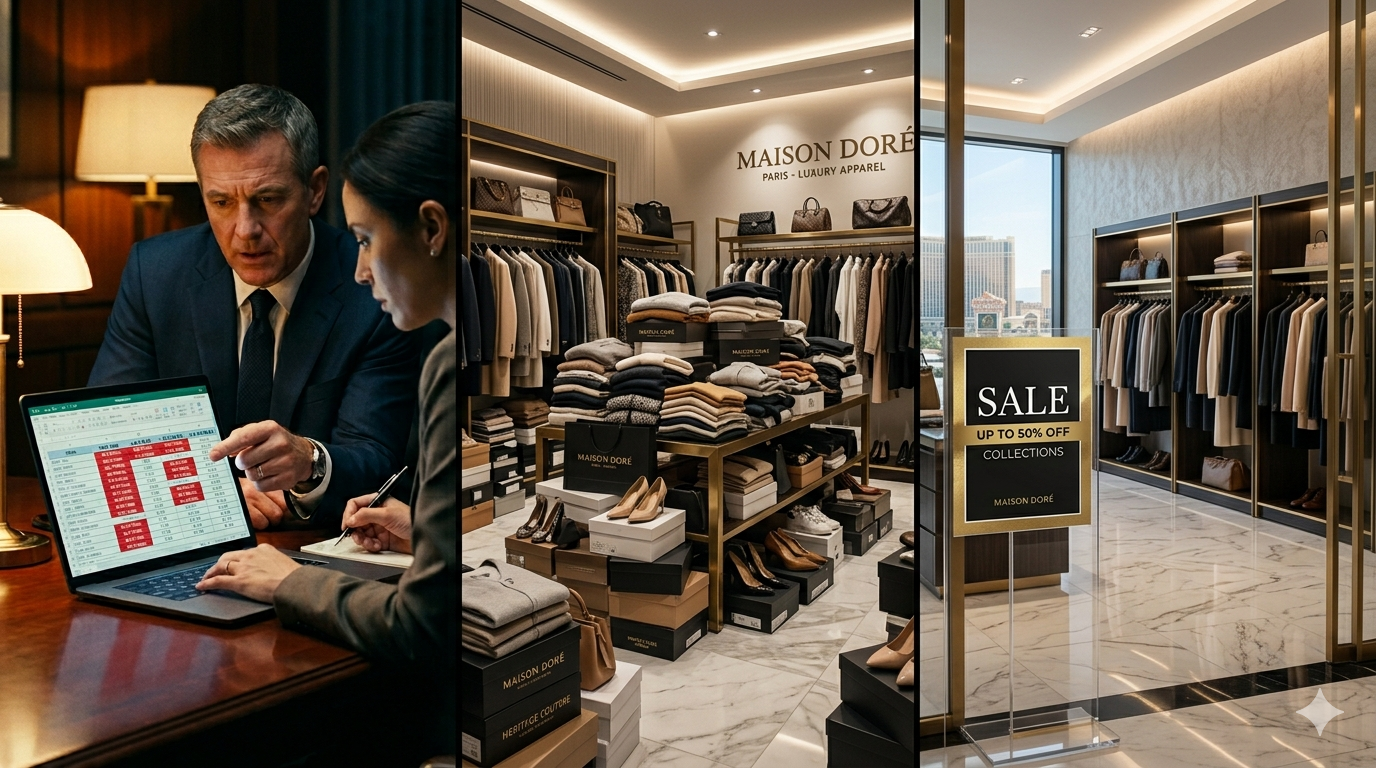
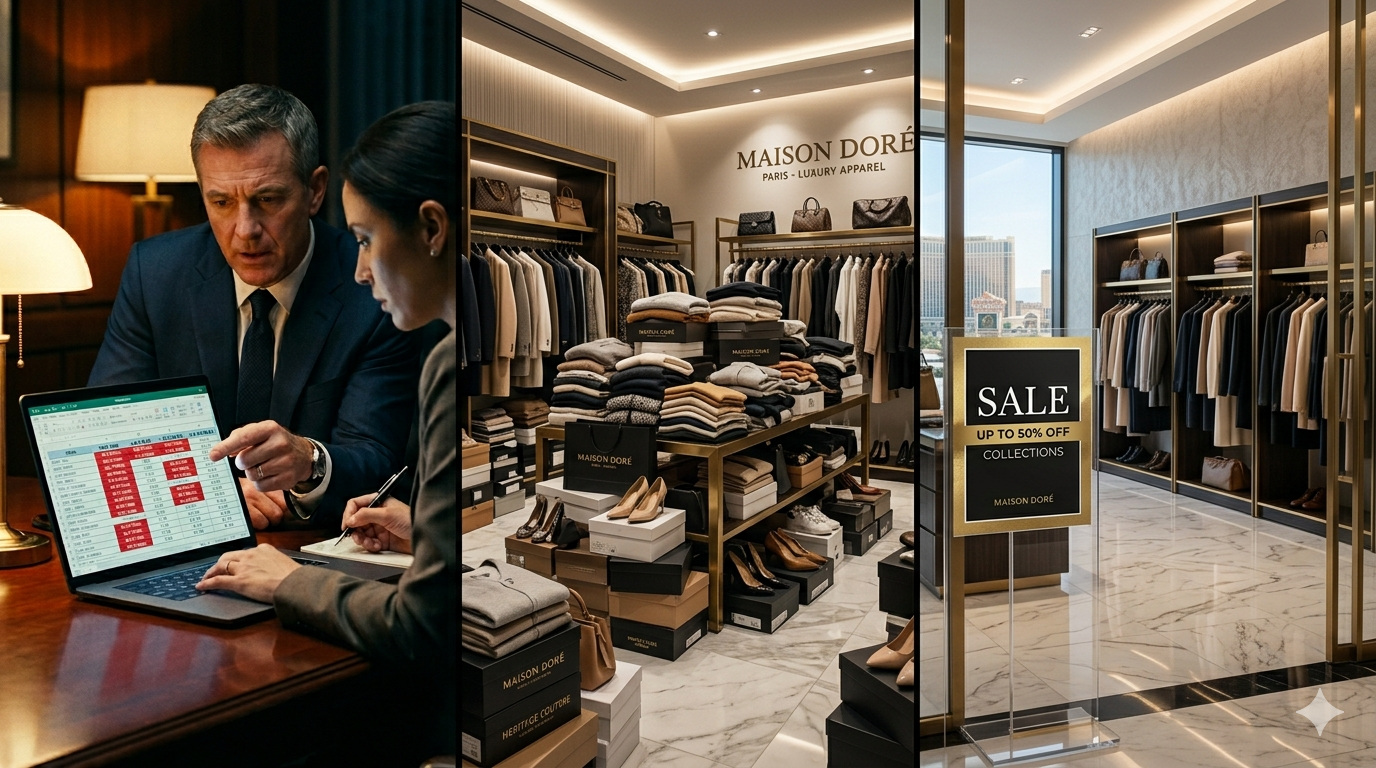
By the time most forecasting systems identify a trend, the opportunity is already fading. The inventory has already been committed, and the stock is sitting at the wrong store. Markdown pressure has begun, whereas the replenishment cycles are too slow to respond. The issue is not a lack of information. Most forecasting systems were built for a retail world that no longer exists.
Fashion Does Not Behave Like Traditional Retail
Classical forecasting models were designed for stable demand environments.
They work reasonably well when:
- Products have long sales histories
- Buying patterns repeat consistently
- Replenishment cycles are predictable
- Seasonality follows historical norms
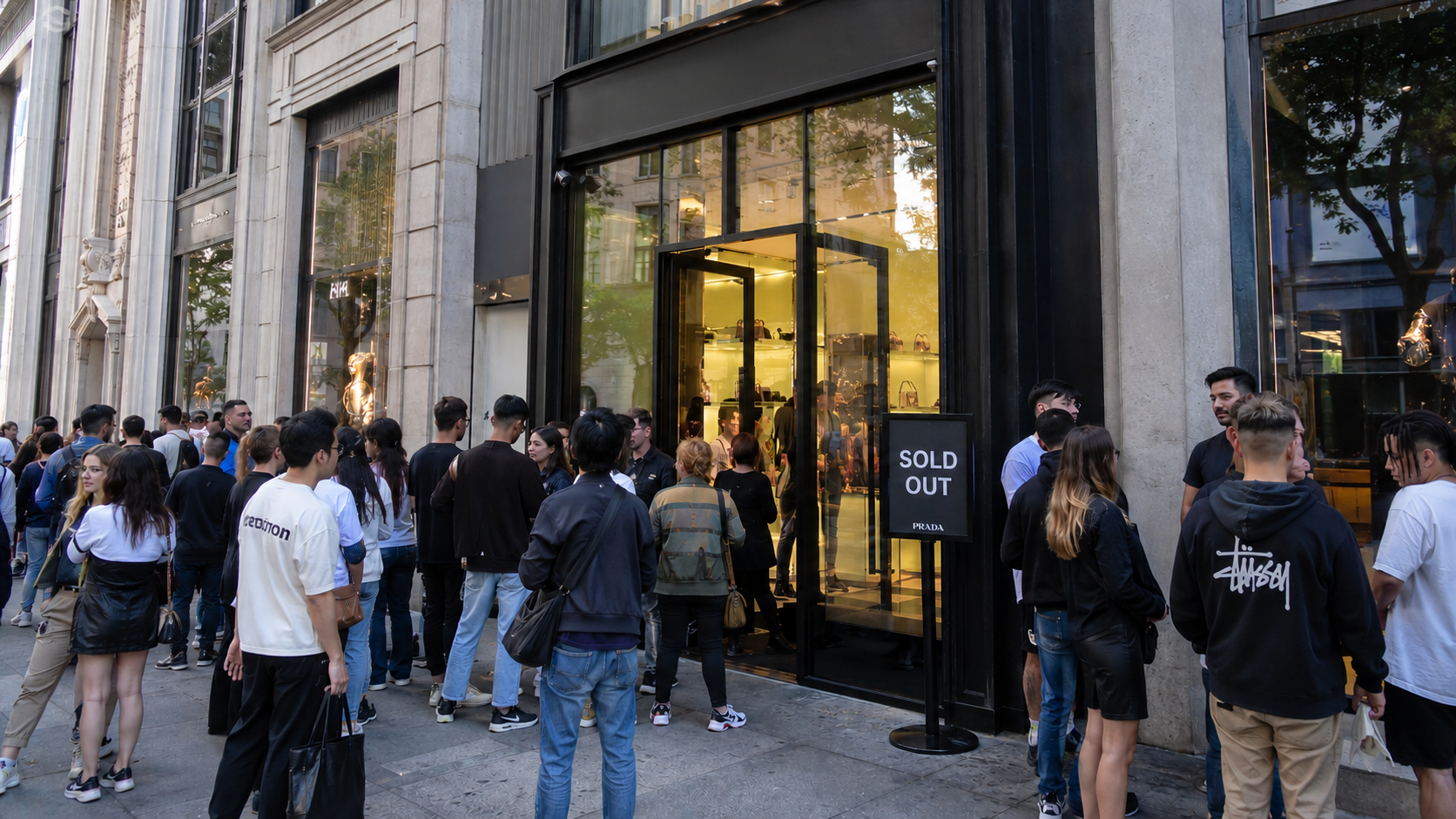
Fashion breaks almost all of those assumptions. New styles launch continuously. Consumer behavior shifts weekly. Social platforms accelerate microtrends faster than traditional planning cycles can respond. A product can go from unknown to sold out in days. And the products creating the most uncertainty are often the products with the highest upside.
Most traditional forecasting systems depend heavily on historical performance:
- Year-over-year comparisons
- Category analogs
- Moving averages
- Historical sell-through curves
But history is the weakest precisely where fashion volatility is highest. This is why planners and merchants still override systems manually, not because the models are mathematically wrong, but because they are operationally late.
Learn more about the Data-Action Gap and How to Solve it
Fill in your details below and our experts will connect with you shortly.
Signals Now Appear Before Sales
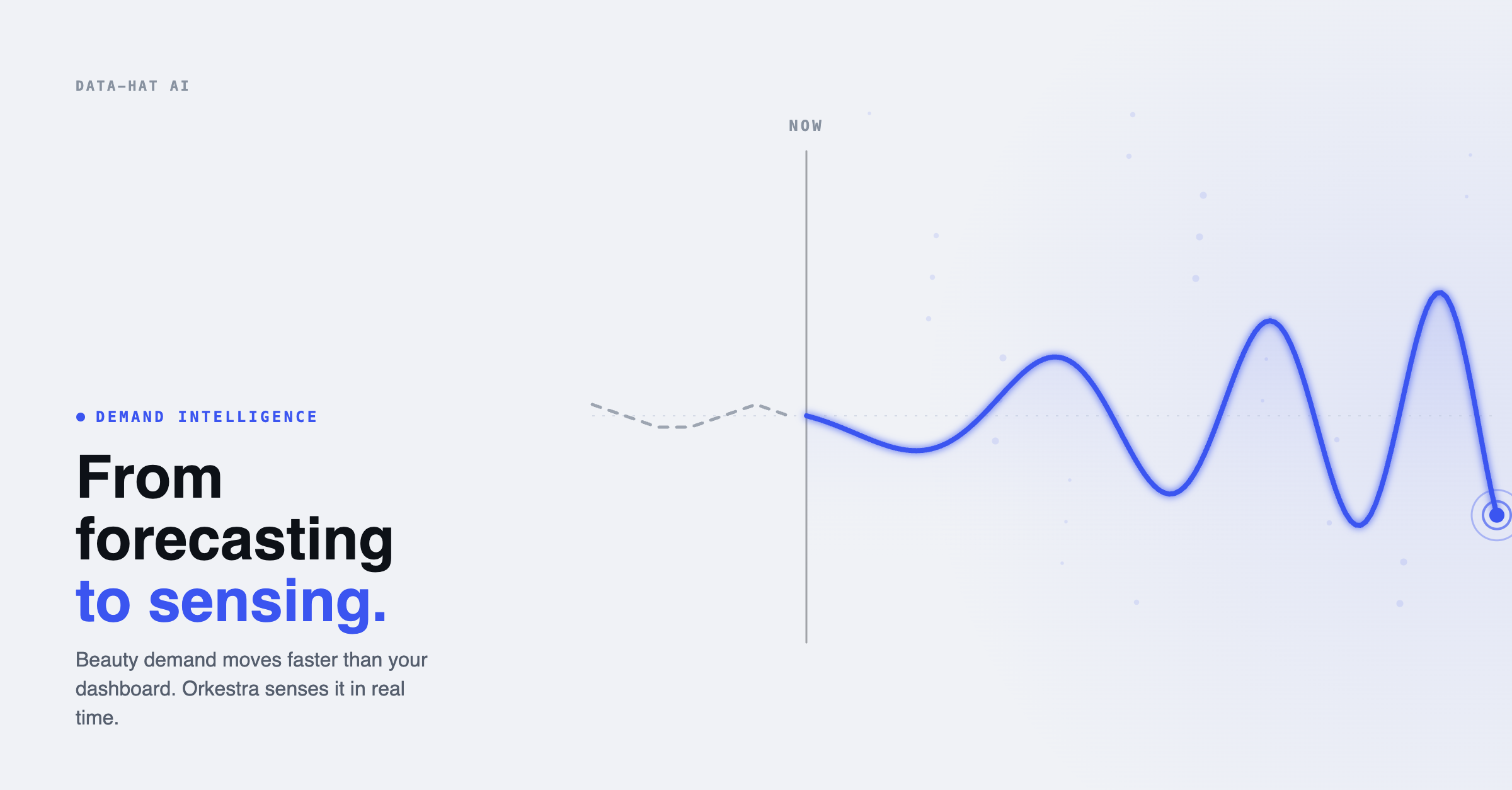
The most advanced fashion brands are shifting away from static forecasting models toward something much more dynamic: demand sensing. Instead of relying primarily on historical sales, demand sensing systems continuously monitor signals emerging across the market.
That includes:
- Social media engagement
- Influencer adoption
- Search behavior
- Visual trend acceleration
- Regional demand shifts
- Marketplace movement
- Return patterns
- Weather and contextual events
The goal is not perfect prediction, rather, to reduce reaction time. In fashion, competitive advantage comes from detecting momentum earlier than everyone else. Signals now emerge before meaningful sales data exists. Search interest rises before purchases, and visual adoption rises before replenishment reacts. Trend acceleration happens outside ERP systems first, and by the time demand becomes obvious in traditional retail systems, the market has often already moved on.
Why Do Most AI Forecasting Tools Still Fall Short?
The fashion industry has invested heavily in forecasting and analytics technology, but most systems still stop at visibility. They surface dashboards, generate insights, and highlight trends. Very few actually help retailers operationalize decisions fast enough. That is where the real gap exists.
Identifying a trend is only valuable if the business can act on it:
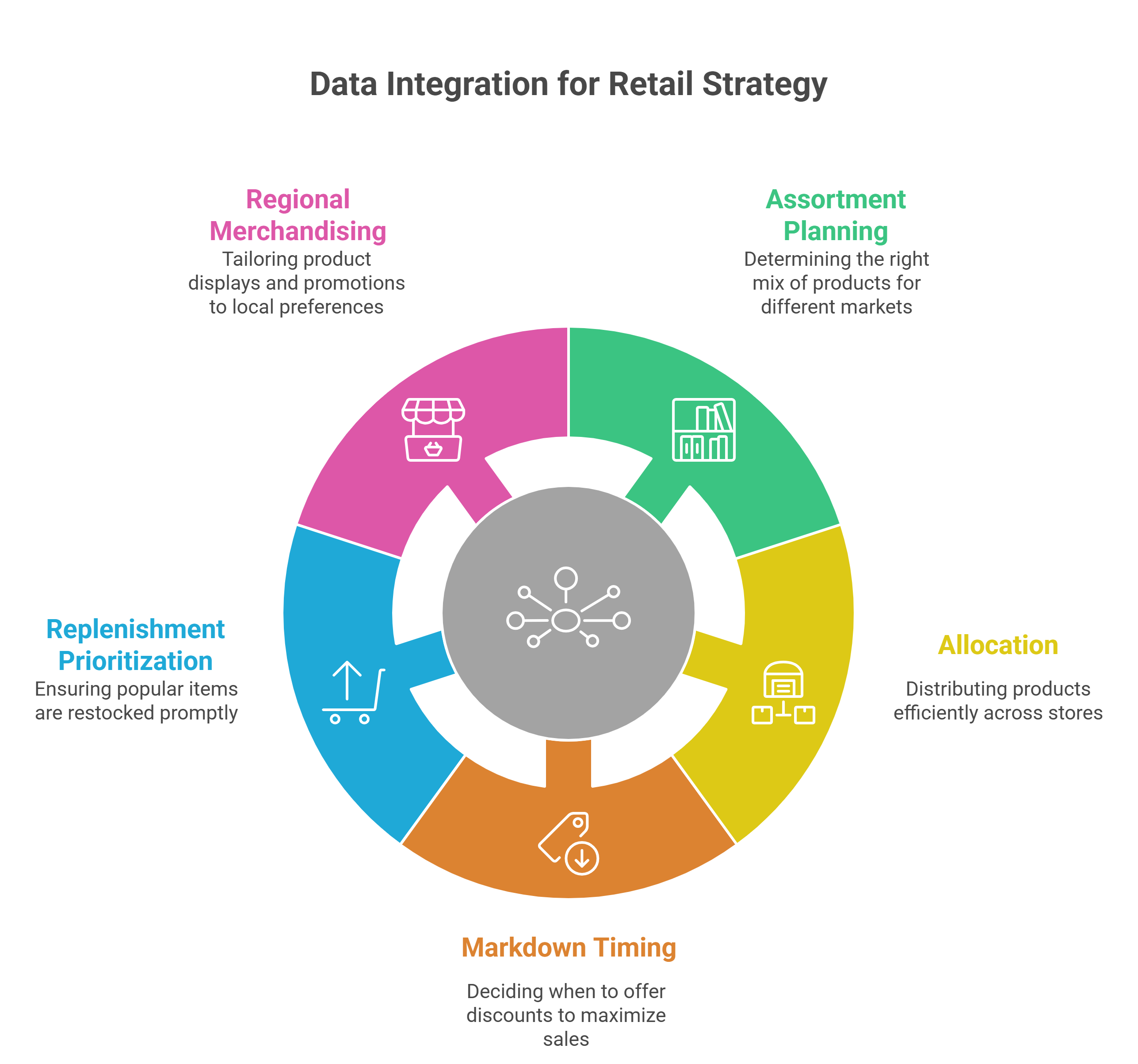
- Reallocating inventory
- Adjusting replenishment
- Optimizing assortments
- Rebalancing store demand
- Responding to size-level shifts
- Preventing unnecessary markdowns
Most systems improve awareness, but few improve execution. And fashion brands are increasingly realizing that forecasting alone is no longer enough.
The Future of Fashion Forecasting Is Continuous Sensing
The industry is moving toward a fundamentally different model: a signal-rich sensing system capable of adapting to demand as it changes. The retailers that win over the next decade will not necessarily be the ones with the most data. They will be the ones that convert fragmented signals into operational decisions the fastest.
That is the shift staring at fashion retail right now. And it is exactly the gap Data-Hat AI is focused on solving. Contact us to learn how leading fashion retailers are closing the data-action gap.
Frequently Asked Questions
How can demand forecasting in fashion is broken. the future is demand sensing. help retail teams?
It provides practical guidance for improving planning, forecasting, and execution decisions so teams can reduce stock risk and improve customer outcomes.
Why is AI important for modern retail operations?
AI helps retailers process large, fast-changing datasets and generate better decisions for forecasting, inventory, pricing, and assortment in real time.
How do I get started with Data-Hat AI for this use case?
Start by identifying a high-impact category or process, connect core data sources, and run a focused pilot to measure uplift in forecast accuracy, availability, and margin.