Demand Forecasting in Fashion Is Sensing, Not Forecasting

Kshitij Kumar
Chief Data and AI Officer
Demand Forecasting in Fashion Is Sensing, Not Forecasting
Traditionally, fashion retailers have treated demand forecasting as a math problem.
Take historical sales. Layer in seasonality. Add promotional calendars. Generate a forecast. Push inventory downstream. Repeat.
The problem is: fashion does not behave like a stable system anymore.
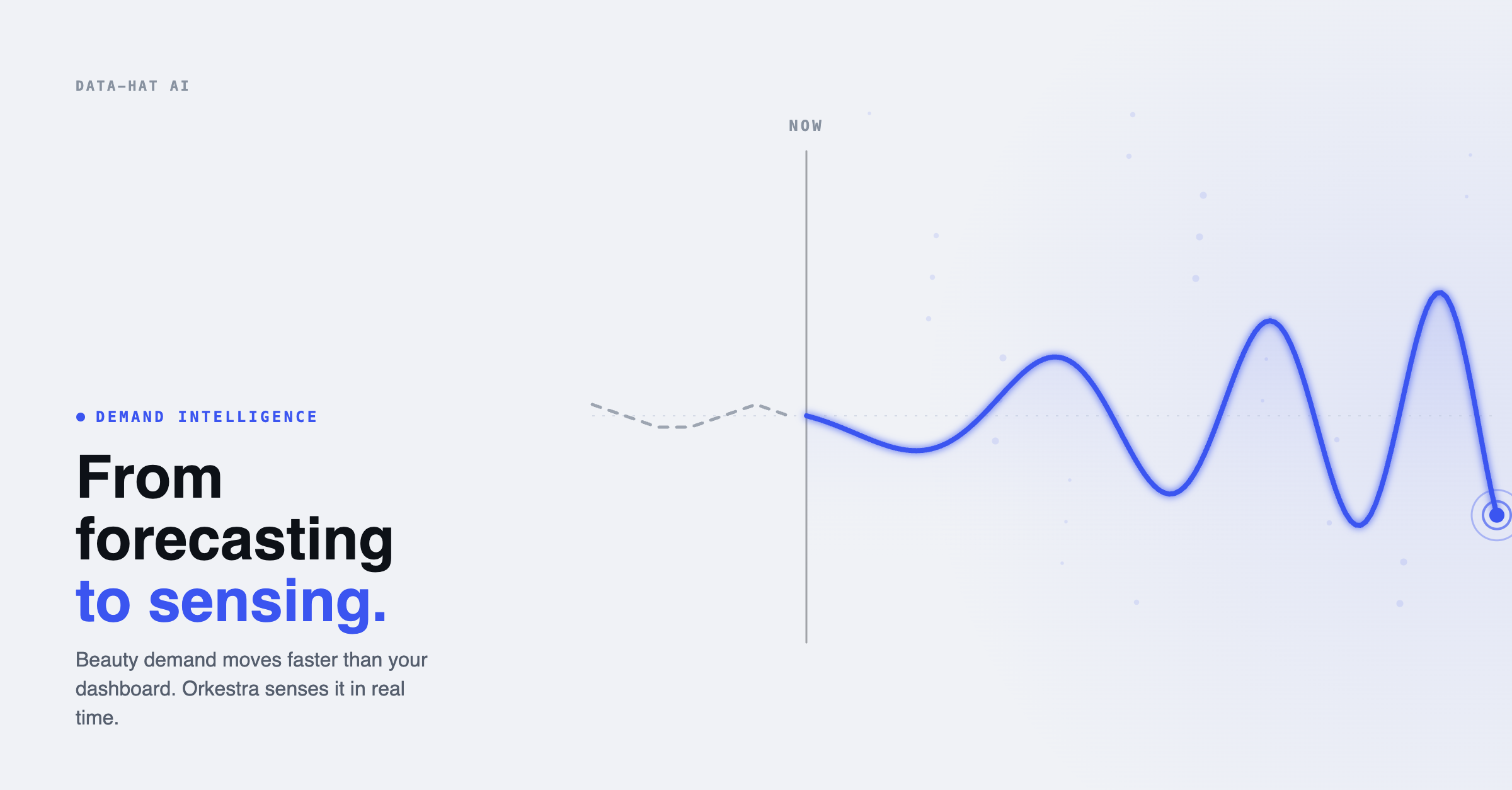
A replenishment model for toothpaste can rely on history, but fashion cannot! The next breakout silhouette, fabric, color, or aesthetic often has little or no historical precedent. By the time traditional forecasting systems detect demand, the market has already moved on. That is why the future of demand forecasting in fashion is not forecasting at all; it is sensing.
The brands pulling ahead are no longer trying to predict demand for six months in advance with static models. Instead, they are building signal-rich systems. These systems continuously detect weak demand shifts in real time. They track them across social media, search, sell-through, and returns. They monitor geography and consumer behavior. Finally, they translate those signals into operational decisions — and they do it fast enough to matter.
The Problem with Classical Fashion Forecasting
Traditional forecasting systems were built for stability.
They work reasonably well when:
- Products have long sales histories
- Demand is relatively predictable
- Replenishment cycles are steady
- Seasonality repeats consistently
Fashion violates almost every one of those assumptions. New styles launch constantly, and trends accelerate unpredictably. Viral aesthetics emerge from platforms that no planning system was designed to ingest. Consumer attention shifts weekly, sometimes daily. And most critical, products generating the most uncertainty are often the products that matter most commercially. The best-selling fashion item next quarter may not exist in the data today. That is where classical forecasting breaks down.
A retailer introducing a new wide-leg denim silhouette, a new sneaker profile, or a new luxury color story cannot depend on prior SKU history because none exists.
The system either:
- Overfits weak analogs,
- Collapses demand into generic category assumptions, or
- Defaults to merchant intuition.
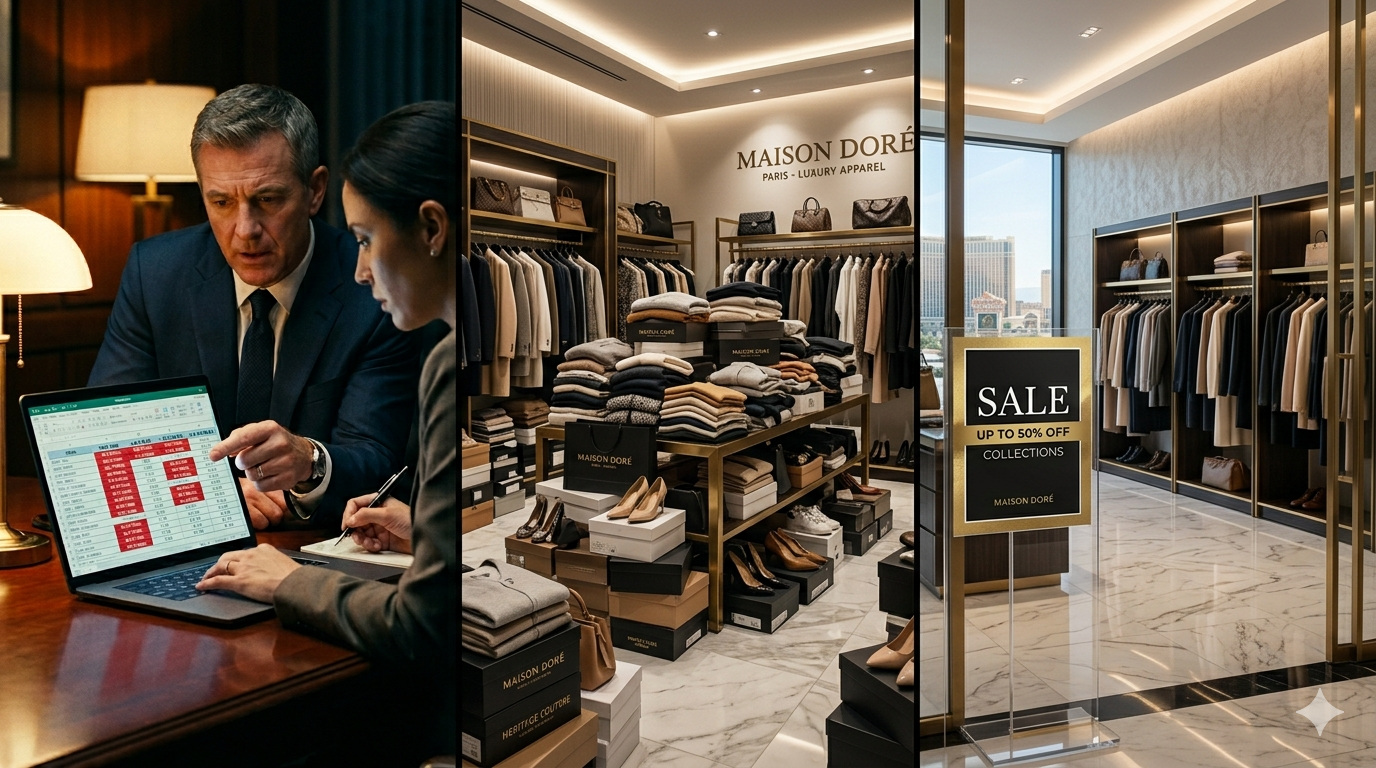
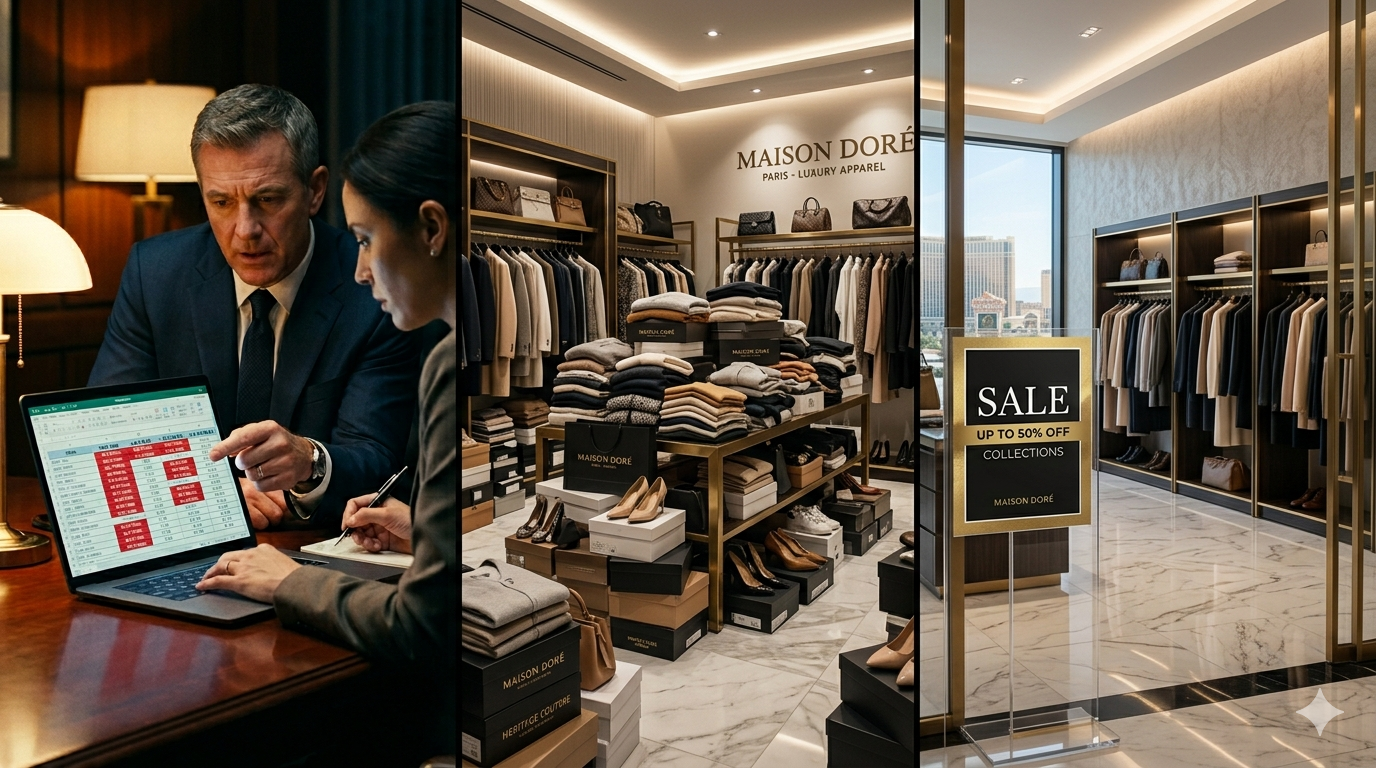
In practice, this is why planners still override systems manually. The model is technically correct, but operationally late.
Fashion Demand Is Now Signal-Rich
The most advanced fashion brands no longer treat demand forecasting as a periodic planning exercise. They treat it as a continuous sensing layer.
Instead of asking: What will sell next season?
They increasingly ask: What signals are strengthening right now?
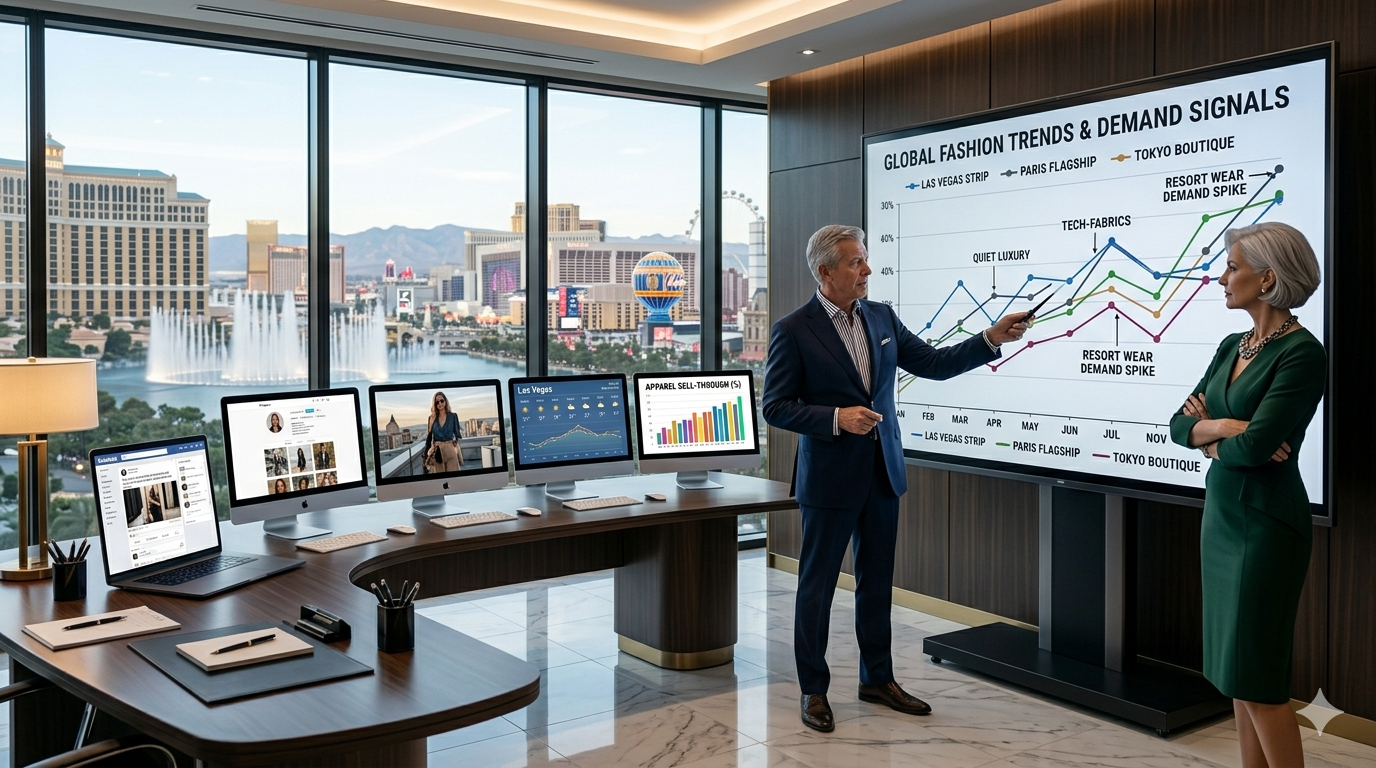
That shift changes everything. Modern demand sensing systems ingest far more than transaction history.
They monitor:
- Social engagement velocity
- Influencer adoption
- Image-based trend detection
- Search intent
- Basket composition
- Regional sell-through
- Return patterns
- Weather changes
- Marketplace movement
- Style attribute acceleration
The goal is not certainty — the goal is to reduce reaction latency. In fashion, the winner is often not the brand with the best forecast, but the brand that reacts fastest to signals.
Signals Emerge Before Sales
One of the most important shifts in Fashion AI is the recognition that demand signals appear long before meaningful sales history exists. Search activity rises before purchases and social media reacts before sell-through, whereas visual adoption rises before replenishment systems react.
A growing number of fashion brands now monitor:
- TikTok aesthetic velocity
- Instagram image clusters
- Pinterest saves
- Marketplace search growth
- Google Trends movement
- Creator-driven product exposure
Not because these signals are perfect predictors, but because they detect momentum earlier than ERP systems ever can. Computer vision systems are now capable of identifying silhouettes, fabrics, hemlines, colors, patterns, styling combinations, and footwear profiles directly from visual content online. In other words, AI is no longer just reading fashion — it is also seeing fashion.
This matters for emerging trends as fashion language is often inconsistent. Consumers rarely describe products the same way merchants structure them internally.
A shopper may search:
- quiet luxury coat
- Scandi oversized blazer
- mob wife fur jacket
- clean girl sneakers
None of those phrases map cleanly to traditional retail taxonomies. But visually, the trend movement is obvious. The brands that react the fastest after sensing that visual gain a timing advantage over the rest of the market.
Why Does Short-Horizon Forecasting Win?
The old retail planning cycle optimized for long-range certainty, while the new environment rewards short-horizon adaptability. That is a major philosophical shift.
Traditional demand forecasting systems were designed around:
- Seasonal buy planning
- Six-month production timelines
- Annual assortment structures
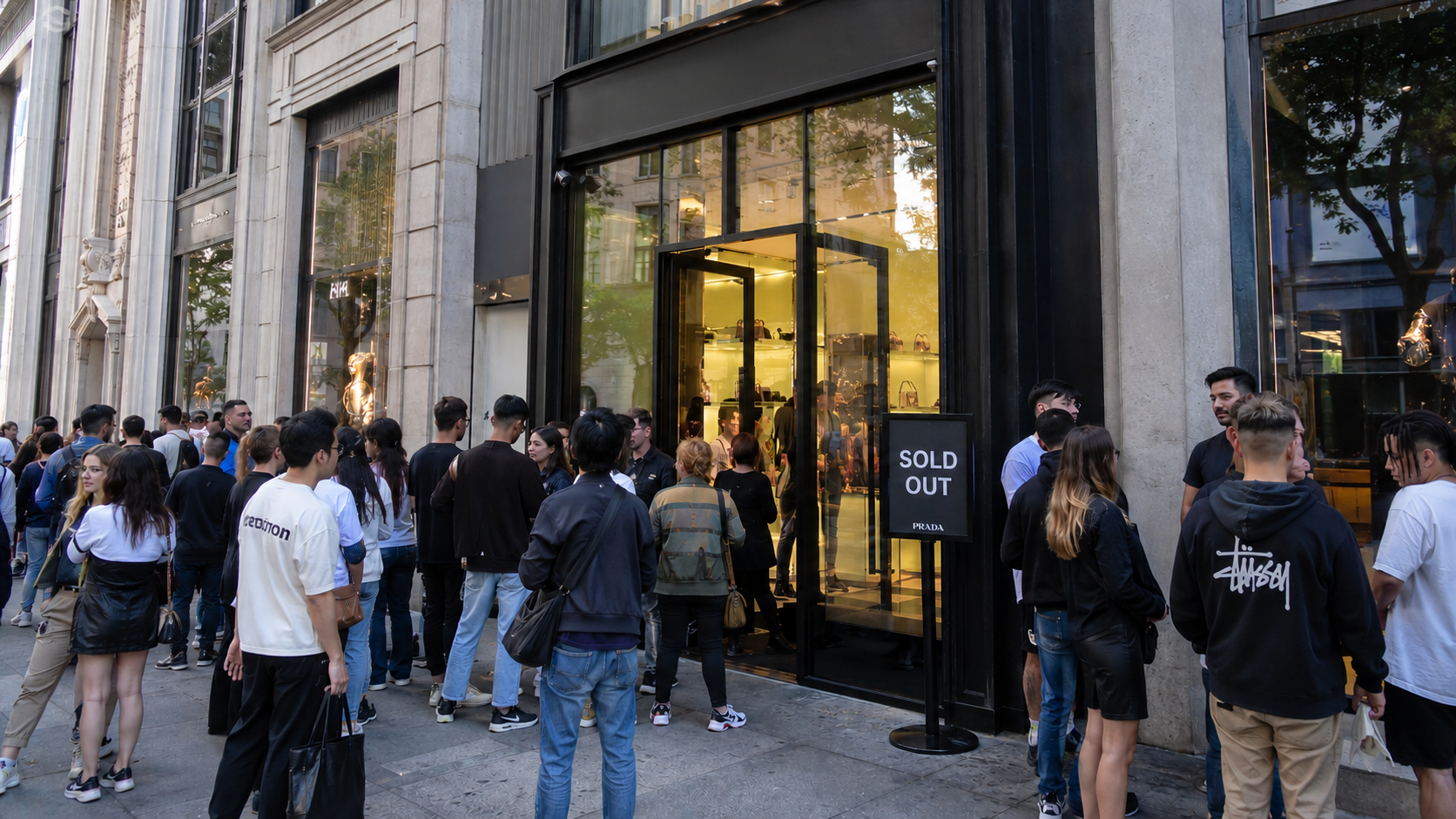
But consumer behavior now moves faster than ever. Microtrends can emerge and peak within weeks; social amplification compresses adoption curves dramatically. A viral creator moment can alter demand patterns overnight.
As a result, the most effective forecasting systems increasingly focus on:
- 2-week windows
- 4-week windows
- Localized demand acceleration
- Store-level pattern changes
- Size-level anomalies
- Regional preference shifts
This is less about predicting the future perfectly, and more about continuously recalibrating the business as reality changes.
The Best Fashion Brands Are Building External Signal Layers
One of the clearest industry patterns is that leading brands are moving beyond internal retail data entirely. Historically, retailers operated almost exclusively on internal signals:
- POS
- ERP
- Planning systems
- Inventory reports
Today, the strongest operators are blending internal and external intelligence together, because by the time demand appears in internal systems, the market has already expressed itself elsewhere first.
Brands combine operational retail data with:
- Social signals
- Search intent
- Marketplace movement
- Weather patterns
- Influencer engagement
- Cultural events
- Regional demographics
- Macroeconomic indicators
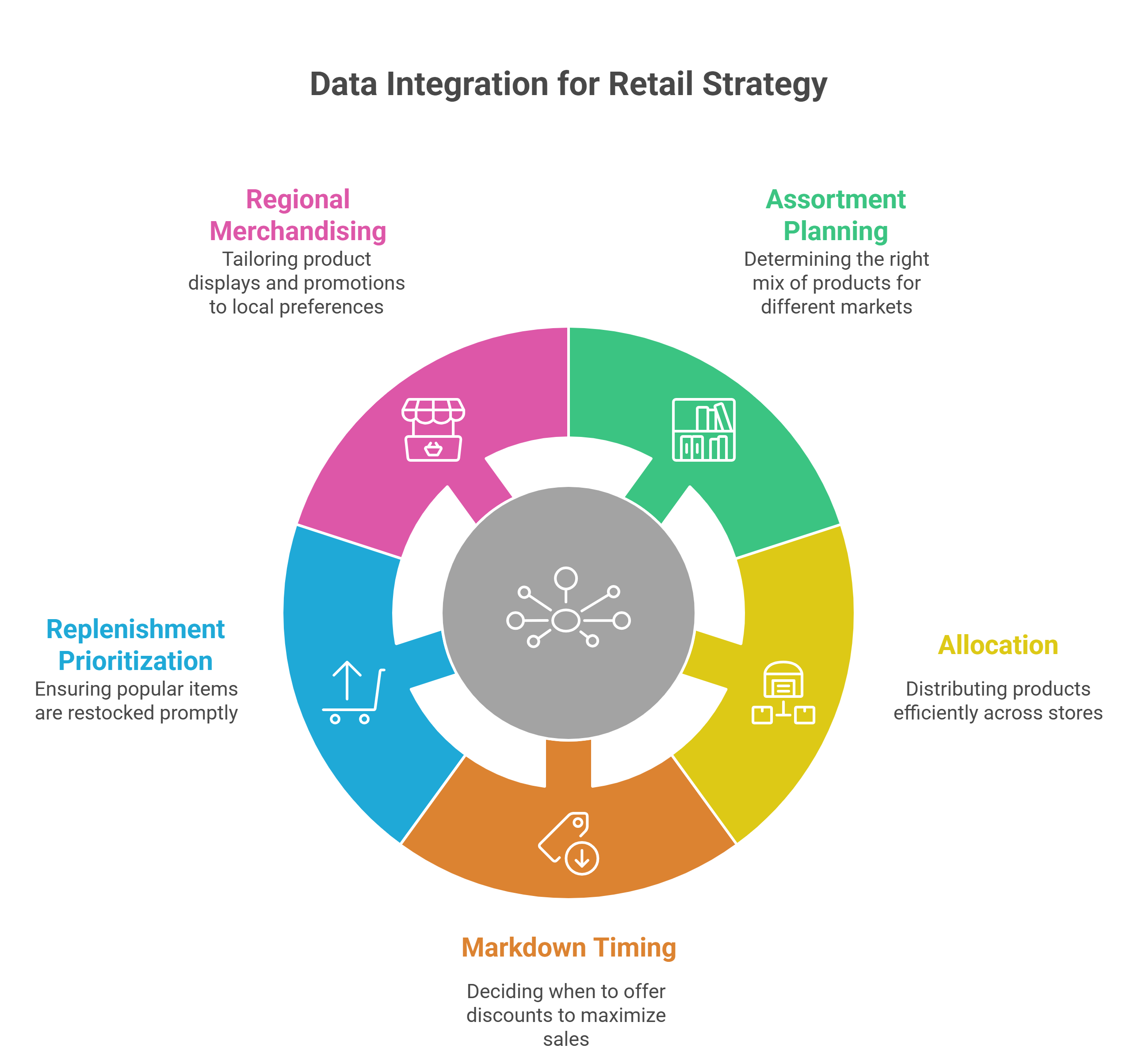
This is particularly important for:
- Assortment planning
- Allocation
- Markdown timing
- Replenishment prioritization
- Regional merchandising
The future demand forecasting stack is not just a single forecasting engine — it is a continuously updating signal network.
Why Do Generic AI Systems Under-perform in Fashion?
This is where much of the industry's conversation becomes misleading. Many horizontal AI vendors assume retail demand behaves like other industries, but in fashion, it does not.
For fashion, demand is:
- Emotionally driven
- Trend-sensitive
- Visually influenced
- Geographically fragmented
- Size-dependent
- Seasonally unstable
- Culturally contextual
Unlike many industries, fashion launches large volumes of products with minimal historical data. This creates a difficult environment where traditional machine learning assumptions often fail. Many AI-powered forecasting tools function as dashboards rather than operational decision engines — they improve visibility but do not materially close the decision gap.
The Real Opportunity Is Operational Response
This is the part many demand forecasting conversations miss. Detecting trends is not enough.
The operational question is: What happens next?
A signal only matters if the business can act on it quickly enough.
- Can inventory shift fast enough?
- Can allocation rebalance regionally?
- Can replenishment adapt?
- Can markdowns become more targeted?
- Can assortment width adjust dynamically?
- Can planners intervene before margin erosion begins?
This is where most retail systems still fail. The industry has become significantly better at seeing demand changes — but it needs to be equally good at operationalizing them. That is the real gap: not visibility, but action.
The Future Is Decision-Level Retail Intelligence
The next generation of agentic fashion systems will not just stop with insights. They will operate at the decision layer itself.
Instead of telling planners: Demand is rising for oversized tailoring in the Northeast.
An AI-powered system will recommend: Increase allocation of style family 4471 by 18% across stores with high oversized-jacket velocity and rebalance underperforming inventory from Southern cluster locations.
That is a fundamentally different level of intelligence. An ideal agentic retail system will not replace merchants, buyers, or planners — they will augment them.
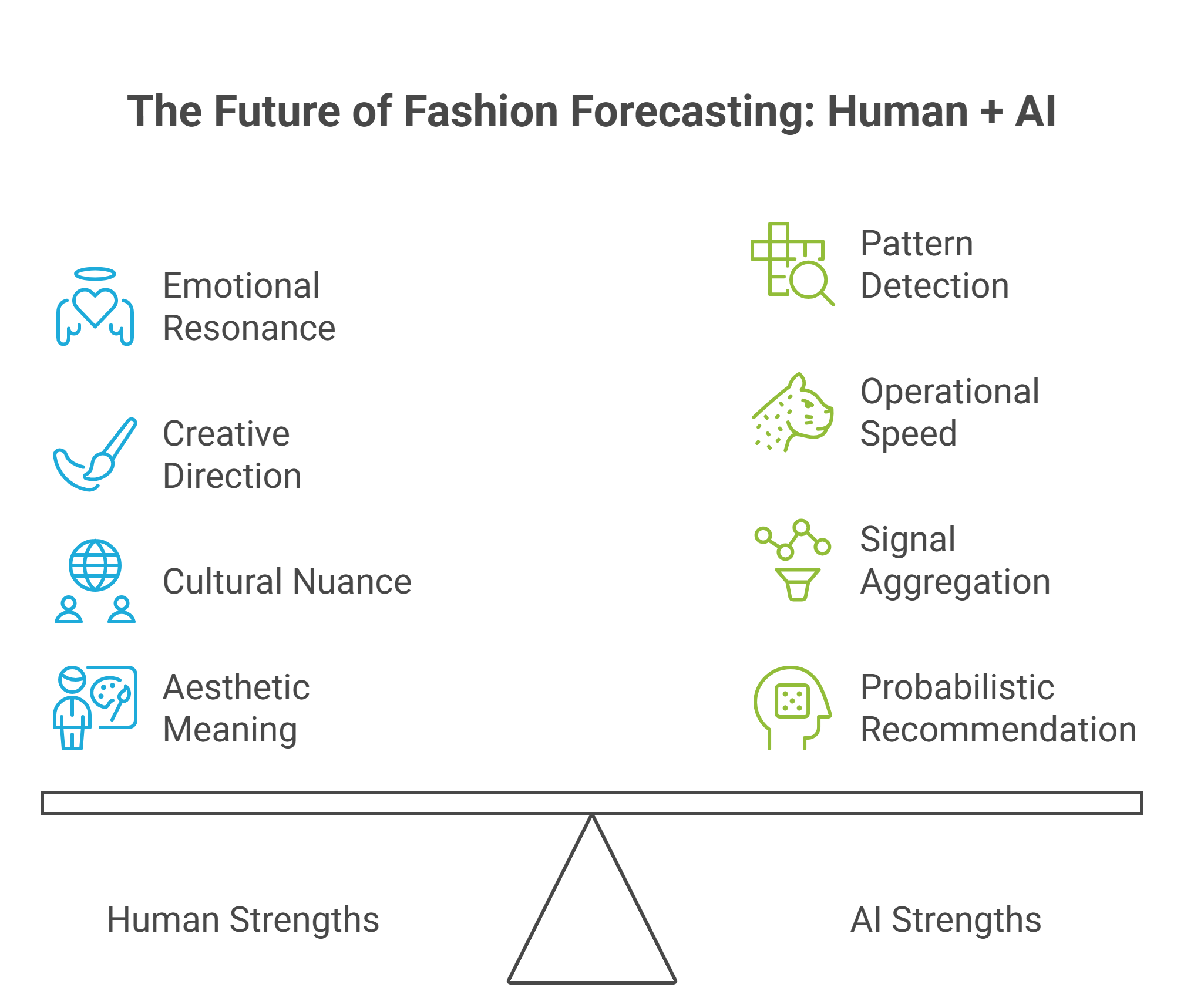
Humans still understand:
- Brand identity
- Emotional resonance
- Cultural nuance
- Creative direction
- Aesthetic meaning
Whereas AI is strongest at:
- Pattern detection
- Signal aggregation
- Probabilistic recommendation
- Operational speed
The future belongs to systems that combine both.
Closing the Gap Between Signals and Decisions
Most demand forecasting tools today stop too early. They identify patterns, surface insights, and generate visibility. But fashion brands do not compete on awareness alone. They compete on how quickly and intelligently they convert signals into decisions.
That is the gap Data-Hat AI is focused on closing — not another dashboard, reporting layer, or disconnected forecasting model, but a system designed to bridge:
- Fragmented retail signals
- Operational workflows
- Decision execution
The future of fashion forecasting is not about building better predictions in isolation. It is about creating systems that continuously sense change, translate it into decision-ready intelligence, and help retailers act before the market moves past them.
If you are ready to deploy a breathing system of AI Agents that analyze, acclimatize, and advise, contact us now.
Frequently Asked Questions
How can demand forecasting in fashion is sensing, not forecasting help retail teams?
It provides practical guidance for improving planning, forecasting, and execution decisions so teams can reduce stock risk and improve customer outcomes.
Why is AI important for modern retail operations?
AI helps retailers process large, fast-changing datasets and generate better decisions for forecasting, inventory, pricing, and assortment in real time.
How do I get started with Data-Hat AI for this use case?
Start by identifying a high-impact category or process, connect core data sources, and run a focused pilot to measure uplift in forecast accuracy, availability, and margin.